October 29, 2026
Many homeowners are drawn to the unique charm and distinctive architectural details that characterize older homes. From original hardwood floors to intricate crown molding, these properties offer craftsmanship rarely found in modern construction. However, beneath the beautiful aesthetics, serious structural issues often require immediate attention. One of the most frequently ignored warning signs in an aging property is the presence of sloping floors. While it is easy to dismiss a slight dip as a normal quirk, this issue points to significant trouble brewing beneath the surface. When a foundation settles, the entire house is affected, and the consequences can be far-reaching and costly if left unaddressed. Addressing these problems early is crucial, and professional house leveling is frequently the required solution to restore the home to a safe condition. According to N Gutter, poor drainage accounts for 60% of all residential foundation failures. When moisture accumulates improperly, the soil shifts, leading to the hidden dangers of uneven floors.
1. Escalating Structural Deterioration
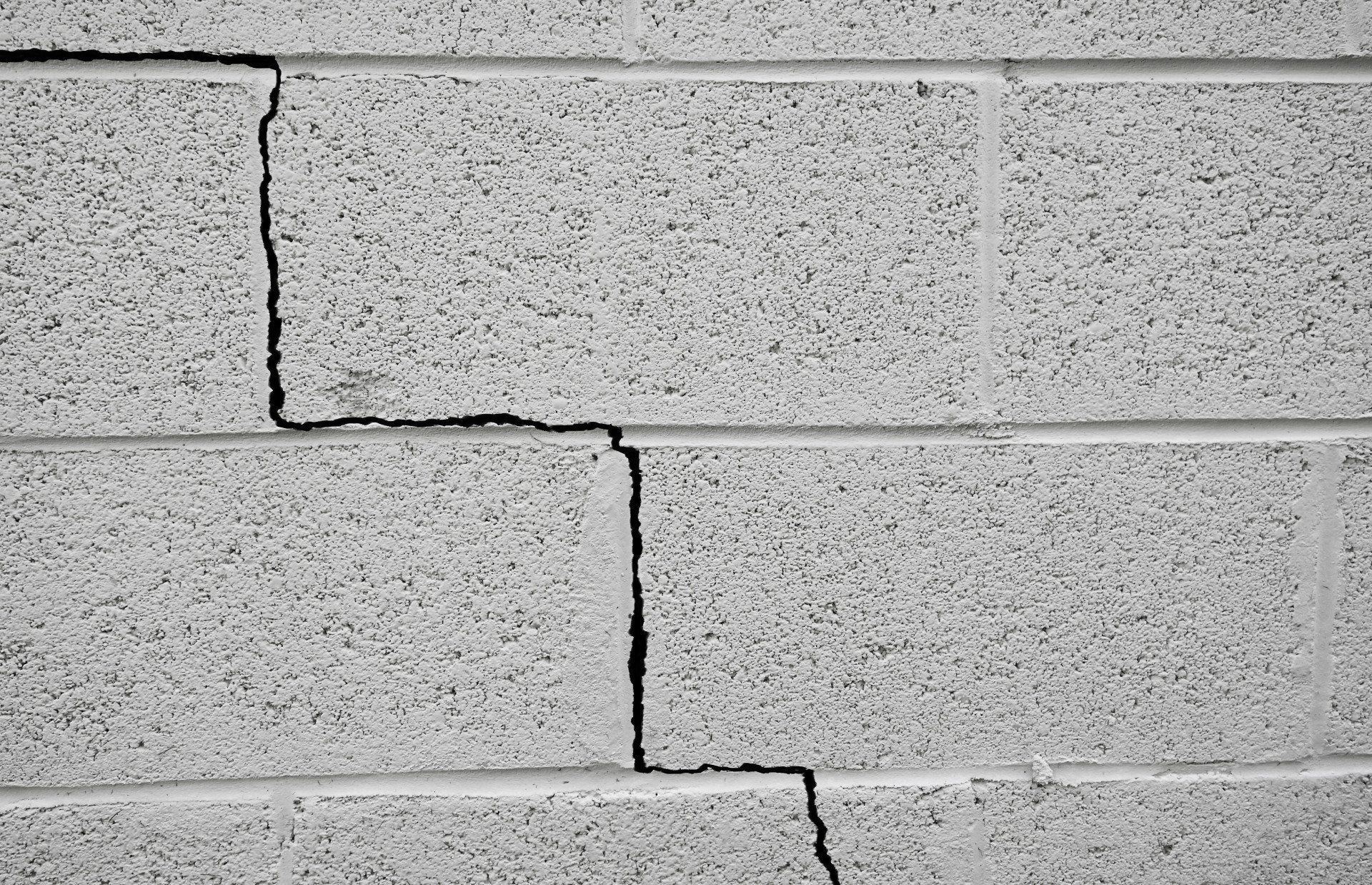
The most severe hidden danger associated with sagging floors is the escalating deterioration of the entire structural framework of your home. A house is designed with the assumption that its base will remain perfectly flat. When the foundation settles unevenly, the weight of the home is no longer distributed as originally intended. This unequal distribution puts extraordinary stress on wooden joists, load-bearing walls, and roof trusses. Over time, you might notice that doors and windows are suddenly sticking, refusing to open smoothly. You may also spot diagonal cracks spreading across the drywall, radiating outward from the corners of doorframes and window sills. These are literal red flags signaling that the structural integrity of your property is compromised. If this pressure is not alleviated through proper house leveling, the framework can warp or fail, leading to damage that is highly expensive to repair.
2. Hidden Plumbing and Pipe Fractures
Another destructive danger of uneven floors involves the intricate network of plumbing pipes running beneath your floorboards. Unlike flexible materials, rigid PVC, cast iron, and copper pipes have no ability to bend when the house shifts. When a foundation settles and causes floors to sink, it physically drags the internal framing downward, pulling on the secured plumbing lines. This intense mechanical tension can easily cause pipe joints to separate, seals to break, and main lines to completely rupture. Because much of this plumbing is hidden within the crawl space or buried within a concrete slab, a slow leak can go unnoticed for months. The resulting water damage can rot wooden floor joists and worsen foundation settlement by further eroding the supporting soil. Implementing a comprehensive house leveling strategy early helps realign the structure, relieving extreme tension on your plumbing system before a catastrophic pipe rupture occurs.
3. Unwanted Pest and Rodent Infestations
Older homes are already somewhat susceptible to pests due to natural wear, but uneven floors create an entirely new set of vulnerabilities. When a house settles unevenly, rigid building materials are forced apart, creating unsealed gaps and exposed entry points around baseboards, exterior brickwork, and the foundation perimeter. These newly formed crevices provide the gateway for unwanted guests, including ants, spiders, mice, and even larger rodents, to infiltrate your living space. Furthermore, structural shifts often create areas where moisture can easily accumulate, and this damp environment is attractive to wood-destroying insects like termites and carpenter ants. These pests can rapidly devour the critical wooden supports of your home, exacerbating the structural weakness that allowed them inside. By investing in professional house leveling, you close these gaps by lifting the home back to its proper elevation, sealing off the hidden highways that pests use.
4. Daily Safety and Tripping Hazards
While many homeowners worry primarily about the financial implications of foundation damage, the physical safety hazards presented by uneven floors should never be minimized. A floor that slopes, sags, or features sudden dips creates a perilous environment for everyone living in or visiting the home, particularly young children and elderly family members who struggle with balance issues. Tripping and falling injuries are remarkably common in homes with severely uneven surfaces. What might seem like a minor quirk to a long-time resident can easily become a major liability when guests visit. Furthermore, heavy furniture like bookcases and large dressers can become dangerously unstable on an incline, posing a severe risk of tipping over and causing serious injury. Undertaking the process of house leveling eliminates these dangerous slopes and unexpected variations in floor height, ensuring that your home remains a predictable and secure environment for everyone.
5. Drastic Reductions in Property Value
For many individuals, their home represents their single most important financial asset. Unfortunately, the presence of sloping or uneven floors can drastically diminish the overall market value of an older property. When prospective buyers tour a home and feel the floor rolling beneath their feet, they immediately associate it with massive repair bills. Even if the rest of the home has been beautifully remodeled, a compromised foundation will cause the vast majority of buyers to walk away entirely or submit an offer that is significantly below your asking price. Moreover, standard home inspectors are highly trained to identify these exact issues, meaning there is simply no way to hide the problem during a real estate transaction. By proactively addressing the underlying issues with proper house leveling, you can fully restore the structural stability of the property and protect your financial investment on the real estate market.
6. Aggravated Indoor Moisture and Mold
The final hidden danger closely associated with uneven floors in older homes is the aggressive development of indoor moisture problems and hazardous mold growth. When floors become uneven due to foundation settlement, it is frequently linked to severe drainage issues or standing water accumulating beneath the home in the crawl space. As this moisture evaporates, it permeates the wooden subflooring and insulation, creating a chronically damp environment. This excessive humidity is the absolute perfect breeding ground for toxic black mold and pervasive mildew, which can quickly spread throughout the interior living spaces. Mold not only destroys drywall, flooring, and personal belongings, but it also significantly degrades the indoor air quality, leading to severe respiratory issues and chronic health problems. Performing a thorough house leveling procedure ensures that the structure is stabilized and helps to mitigate the pooling water that feeds these dangerous, health-threatening fungal infestations.
In conclusion, while the aesthetic charm of an older home is undeniably appealing, ignoring the physical warning signs of structural distress can lead to devastating consequences. Uneven and sagging floors are rarely just harmless quirks of an aging property; they are critical indicators of ongoing foundation failure that demands immediate intervention. From escalating structural deterioration and hidden plumbing fractures to dangerous pest infestations, daily safety hazards, depleted property value, and severe mold growth, the hidden dangers are simply too great to ignore. Catching these problems early can save you an immense amount of time, money, and emotional stress. By recognizing the severity of these risks, you can take proactive steps to secure your investment and protect your family from harm. If you have noticed any sloping in your floors, reach out for an evaluation and expert house leveling. Ensure the long-term stability of your historic property by contacting HTX Foundation Repair today.